
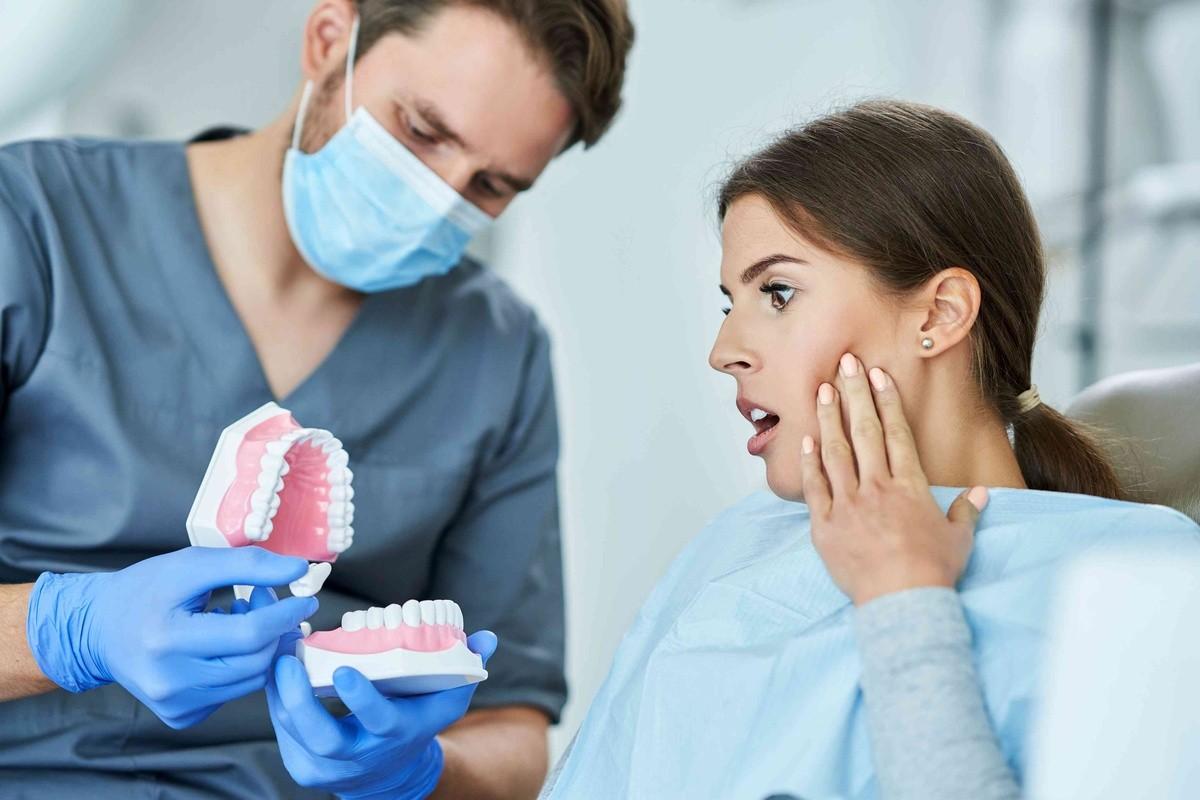
Dental implants in Peabody, MA may help selected patients replace missing teeth with implant-supported crowns, bridges, or dentures. Implants are placed in the jawbone and restored after healing, depending on the treatment plan. Peabody patients need a dental evaluation to review bone support, gum health, bite pressure, medical history, nearby teeth, and daily cleaning habits before implants or other tooth replacement options can be recommended.
Tooth loss often changes more than the open space people see in the mirror. A missing molar can shift chewing to the other side; a front gap can affect speech, and nearby teeth may slowly move into the empty area. In Peabody, replacing a tooth is often about function, comfort, and planning for the future.
Dental implants Peabody, MA may be one option for selected patients who want to replace a missing tooth with a fixed restoration. An implant is not chosen by appearance alone. The jawbone, gums, bite, health history, and cleaning habits all need to support the plan.
A dental implant consultation helps compare implants with bridges, partial dentures, or no immediate replacement, depending on the patient’s oral health.
What Happens After a Tooth Is Lost
After a tooth is removed or lost, the jawbone in that area can begin to change. Bone may shrink over time because it no longer receives the same stimulation from a tooth root.
Nearby teeth may tilt toward space. The tooth above or below the missing area may move because there is no tooth to meet during biting.
These changes can affect chewing, cleaning, bite balance, and future treatment options. A replacement plan is often easier to discuss before major shifting occurs.
How Dental Implants Peabody MA Work
Dental implants Peabody, MA are designed to replace the root area of a missing tooth. The implant is placed in the jawbone and later supports a crown, bridge, or denture attachment.
For one missing tooth, an implant-supported crown may fill the space without relying on a removable appliance. The crown is shaped to match the bite and nearby teeth.
The implant is below the gumline, while the crown is visible in the chewing part. Both need thoughtful planning and follow-up care.
Why Timing Matters After Tooth Loss
Some patients ask about implants soon after losing their teeth. Others wait months or years before exploring replacement.
Timing can affect bone support, gum shape, nearby tooth position, and bite balance. Waiting does not always make implants impossible, but it may add more planning steps.
Peabody patients should ask what changes have already happened in the missing tooth space. X-rays or imaging may be recommended to check bone and surrounding structures.
Bone Support Is a Key Requirement
Dental implants need enough healthy bones for support. Bone height, width, and density all influence whether implant treatment may be suitable.
If bone has changed after tooth loss, grafting may be discussed in some cases. Other patients may be better served by a bridge, partial denture, or another option.
The dentist may review the missing tooth area with X-rays or imaging. This helps determine whether the foundation is strong enough for implant planning.
Gum Health Comes Before Implant Treatment
Healthy gums help protect both natural teeth and implants. Gum inflammation, deeper pockets, or untreated gum disease can affect implant suitability.
Before implanting care, the dentist may recommend cleanings, gum therapy, or better plaque control. This can create a healthier starting point.
An implant cannot get a cavity, but gum and bone around it can still become inflamed. Long-term maintenance begins before placement.
Medical History Can Affect Healing
Implant planning should include a full health review. Diabetes, smoking, immune conditions, certain medications, bone health concerns, and healing patterns may affect suitability.
Patients should share medication lists, health changes, tobacco use, and past healing issues. In some cases, medical coordination may be needed.
A careful review does not mean implants are ruled out. It helps the dentist decide whether treatment is appropriate and what risks need for discussion.
Implants Compared with Bridges
A dental bridge replaces a missing tooth by using nearby teeth as support. These teeth are often shaped for crowns that hold the replacement tooth.
An implant-supported crown replaces the missing tooth space without shaping neighboring teeth in many cases. This may be helpful when nearby teeth are healthy.
A bridge may still be recommended when bone support is limited; timing matters, nearby teeth need crowns, or an implant is not suitable. Each option has different care needs.
Implants Compared with Partial Dentures
A partial denture is removable and may replace one or several missing teeth. It can be useful when multiple areas are missing, or a fixed option is not preferred.
Implants may feel more stable in selected cases, but they require surgery, healing, bone support, and ongoing monitoring. Partial dentures also need to fit checks and cleaning routines.
Patients comparing tooth replacement Peabody MA options should ask how each choice affects chewing, speech, cleaning, nearby teeth, and future maintenance.
Bite Pressure Must Be Planned
Implant restorations need to work with the bite. Too much force on one area can stress the crown, implant components, or surrounding teeth.
The dentist may check for grinding, clenching, worn enamel, jaw soreness, or uneven contacts. These signs can affect implant design and follow-up.
Patients who chew mostly on one side after tooth loss should mention it. Bite habits may need attention before and after restoration.
Cleaning Around an Implant
Dental implants need daily care. Plaques can collect near the gumline around implant crowns and may irritate the tissue.
Depending on the space, patients may need floss, small brushes, floss threaders, or a water flosser. The dental team can show which tools fit the restoration.
Routine dental visits help monitor gum tissue, bite fit, restoration condition, and bone levels when needed. Implant care should be treated as ongoing, not finished after the crown is placed.
What Patients May Value from Implant Planning
Dental implants may support function and tooth replacement goals when the mouth is suitable.
Patients may value:
- A fixed replacement for selected missing teeth
- Support for chewing
- Help maintaining tooth spacing
- No removable appliance for single-tooth cases
- Comparison with bridges and dentures
- Bone and gum evaluation
- Bite pressure review
- Long-term cleaning guidance
- These benefits depend on bone support, gum health, medical history, healing, bite fit, and home care.
What to Expect Before During and After Implant Care
Before treatment, the dentist reviews the missing tooth area, nearby teeth, gums, bone, bite, health history, and X-rays or imaging when needed. Active cavities or gum concerns may need attention first.
During implant treatment, placement and restoration usually happen in stages. Local numbing is commonly used for placement. Healing time varies by case.
After healing, the final crown, bridge, or denture attachment is completed when the area is ready. Follow-up visits help check fit, comfort, and cleaning access.
Local Patient Review
“I thought replacing a tooth was only about filling the space. The consultation helped me understand why bone, bite, and gums had to be checked first.”
Planning Tooth Replacement with the Whole Mouth in View
A missing tooth can change chewing, tooth spacing, and long-term treatment choices. Dental implants may help Peabody patients when the bone, gums, bites, and health history support treatment. At Peabody Dental Care, implant conversations can begin with a careful review of the space left behind and the options that may fit the patient’s oral health.
Frequently Asked Questions
Can a single missing tooth be replaced with an implant?
It may be possible if bone support, gum health, bite pressure, and medical history support treatment. A dental evaluation is needed.
Are dental implants of Peabody, MA suitable after years of tooth loss?
They may still be possible, but bone and tooth positions may have changed. Imaging can help show whether implant treatment is realistic.
Why does the dentist check my gums before implants?
Gum inflammation or periodontal disease can affect the tissues around an implant. Gum’s health should be stable before treatment.
Do implants feel exactly like natural teeth?
Implants can feel stable in selected cases, but they are not natural teeth. They still need cleaning, bite checks, and monitoring.
Can implants replace several teeth?
Yes, in some cases implants may support bridges or dentures. The plan depends on the number of missing teeth and available support.
What if I do not have enough bones?
Bone grafting may be discussed for some patients. Others may need a bridge, partial denture, or a different replacement plan.
How long does implant treatment take?
Timing varies because evaluation, placement, healing, and final restoration may happen in stages. Extra steps can affect the timeline.
How should I clean around an implant crown?
Brush carefully near the gumline and clean between teeth daily. Small brushes, floss threaders, or water flosser may be recommended.